Demographic Forecast for Ukraine Until 2030: What Experts Predict
According to demographic experts, the population in government-controlled areas of Ukraine could drop to 25.5–26.8 million by early 2030 due to war, migration, and low birth rates.
 🧠AI Analysis
Photo: TSN
Key points
- Controlled-territory population could reach 25.5–26.8 million by 2030.
- Women will continue to outnumber men due to migration and war casualties.
- Low birth rates and an aging population pose long-term economic challenges.
The future demographic landscape of Ukraine remains one of the most critical challenges amid ongoing hostilities and mass migration. According to estimates by the Ptoukha Institute for Demography and Social Studies of the National Academy of Sciences of Ukraine, the population in government-controlled territories could range from 25.5 to 26.8 million people by early 2030. The median forecast centers around 26.2 million citizens, with an estimated statistical margin of error of 600,000 to 700,000.
Key Factors Shaping the Population Structure
The full-scale war has completely dismantled previous demographic trends, rendering historical statistical models obsolete for accurate predictions. Experts emphasize that the final figures will heavily depend on the intensity of hostilities, potential territorial shifts, and the success of future repatriation programs for refugees. Meanwhile, the gender and age distribution of Ukrainian society will continue to shift significantly. Women are expected to outnumber men due to wartime casualties and the fact that a larger proportion of those who fled abroad are female.
Another pressing challenge will be the ongoing aging of the population and the shrinking proportion of children. Due to a steep decline in birth rates, the number of younger residents will decrease, while the share of elderly citizens will rise. This trend is mirrored in the profile of Ukrainian refugees in the European Union: individuals aged 65 and older account for only about six percent of those under temporary protection, meaning the majority of those who left are of working age or minors.
“The prospects are not very cheerful,” summarized Oleksandr Gladun, Deputy Director of the Institute of Demography.
For cities like Kharkiv, these nationwide demographic shifts translate into severe labor shortages and challenges in rebuilding urban infrastructure. Post-war recovery will require targeted local and national policies aimed at supporting families, creating jobs, and facilitating the return of displaced citizens, as human capital will ultimately dictate the pace of the region's economic revival.
Source TSN — tsn.ua/ukrayina/skilky-liudey-zytyme-v-ukrayini-pislia-viyny-prohnoz-de… ↗
Read next
 👥Society
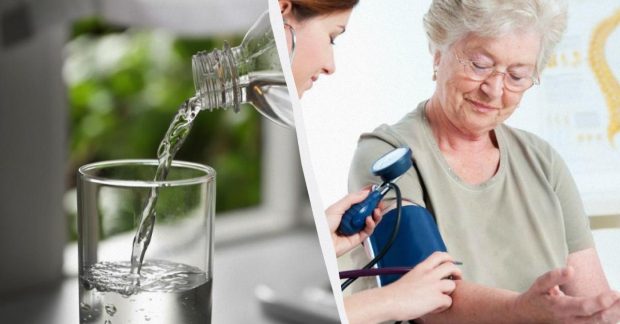
How Much Water to Drink Daily for Healthy Blood Pressure: Cardiologists Explain
Leading cardiologists share the recommended daily water intake for men and women, explaining how both dehydration and overhydration affect blood pressure.
 👥Society
Construction of Underground Cancer Center in Kharkiv Slows Down Due to Funding Issues
The construction of a protected underground oncology department in Kharkiv is facing financial hurdles, which may impact project timelines.
 👥Society
Health benefits of chicory: Why you should add it to your diet
Experts highlight chicory as a valuable source of inulin, which supports gut health, digestion, and liver function.
 🚨Events
Protection against car thieves: why Kharkiv drivers are advised to use foil
Owners of cars with keyless entry systems are at risk of relay attacks. A simple way to secure your vehicle is to block the key signal using aluminum foil.
 👥Society
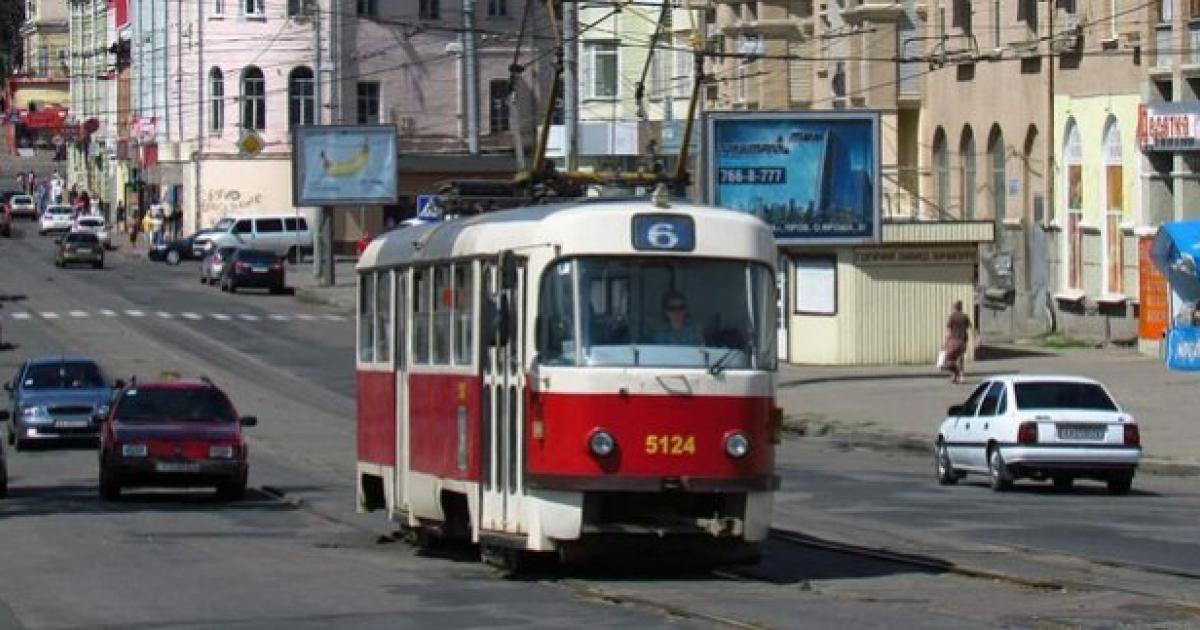
Tram Routes to Change Temporarily on Akademika Pavlova Street in Kharkiv
On November 23, tram traffic along Akademika Pavlova Street in Kharkiv will be restricted during daytime hours due to scheduled energy works. Routes No. 30, No. 6, and No…
 🚨Events
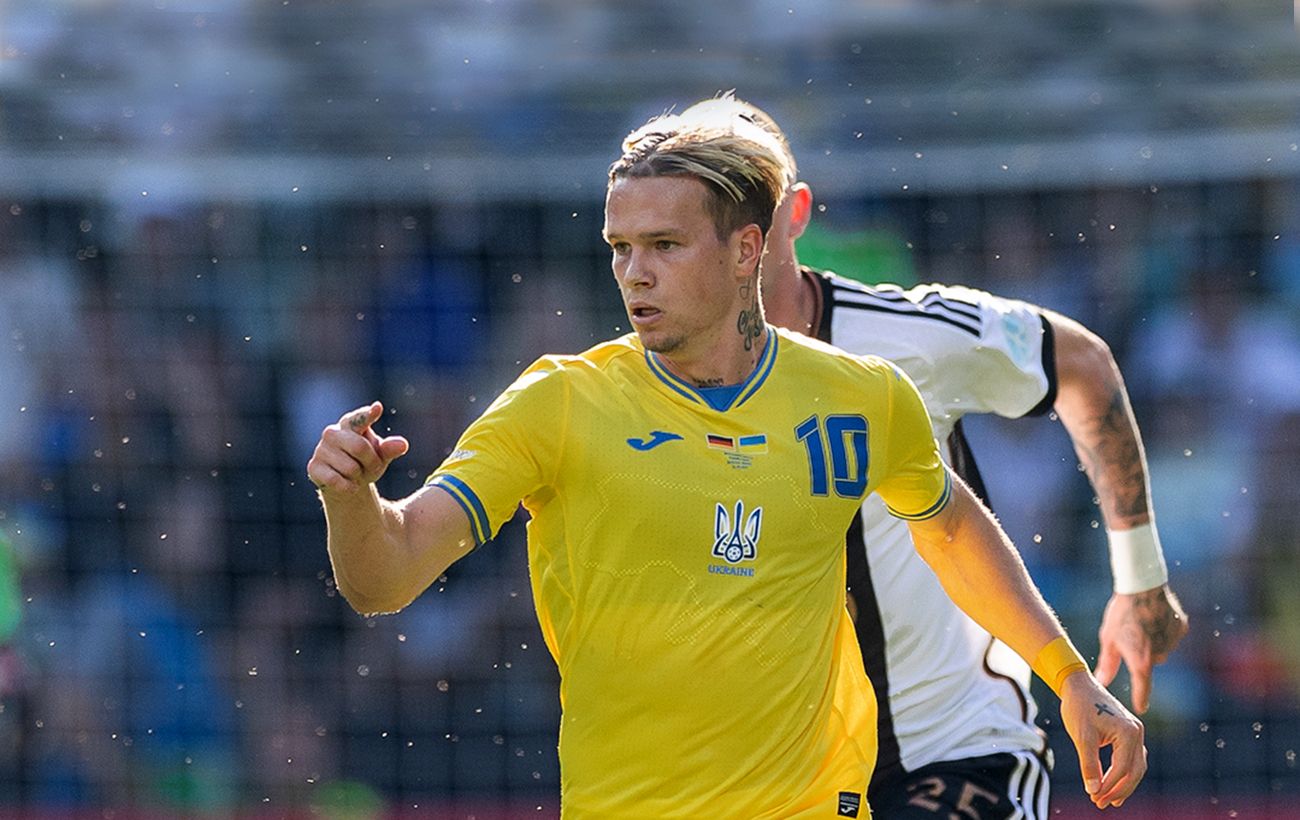
Doping Controversy in National Team: Team Doctor Responds to Mykhailo Mudryk's Allegations
The medical staff of the Ukraine national team has denied claims by Mykhailo Mudryk, a Kharkiv region native, regarding the potential ingestion of prohibited substances d…