Electricity Exports Amid Blackouts: Why Ukraine Continues Power Supplies to Europe
Following massive strikes on the energy grid, experts clarify that electricity exports are a technical necessity to maintain system stability despite local outages.
 🏙️City
Photo: UNIAN
Key points
- The energy crisis is caused by distribution damage, not a lack of generation
- Exporting surplus energy prevents the forced shutdown of nuclear power plants
- Recent strikes targeted thermal plants and substations in Western Ukraine
A massive attack on the Ukrainian energy system on Friday, November 20, led to the introduction of emergency power supply restrictions in several regions. Western regions were hit the hardest, with consumers facing emergency blackouts. Despite the difficult local situations, the expert community emphasizes that there is currently no overall power deficit in the national grid, and Ukraine continues to fulfill its obligations regarding electricity exports to European countries.
Technical Reasons for Blackouts: Networks vs. Generation
Energy analyst Hennadii Riabtsev explains that current power difficulties are not related to a shortage of generated energy. According to him, domestic generation volumes are quite sufficient to cover the needs of all consumers. The key problem lies in physical damage to transmission and distribution facilities — trunk substations and power lines. When these nodes fail, energy simply cannot travel from the power plant to a specific home or business.
Riabtsev emphasizes that stopping exports to Europe would in no way help restore power in the affected areas. Selling surpluses abroad at market prices is a rational alternative to the forced shutdown of power units.
"Export is an alternative to stopping stations. Why stop stations or reduce generation if there is an opportunity to sell electric energy,"the expert notes, adding that this allows the system to operate stably.
Daytime Surplus and Nighttime Exports
Expert Stanislav Ihnatiev revealed additional details of the system's functioning. He noted that a surplus of electricity often occurs in the Ukrainian energy system, especially during the day. This has even forced operators to limit the capacity of nuclear power plants. During nighttime hours, when domestic consumption drops, Ukraine has the opportunity to supply free volumes to Europe, which is a technically justified step for balancing the grid.
The situation is complicated by targeted enemy strikes on specific facilities. Member of Parliament Serhii Nahorniak confirmed that during the last attack on November 20, thermal generation facilities, which are critical for stabilizing energy supply specifically in Western Ukraine, were targeted. Also, distribution substations of the Ukrenergo company suffered significant damage, which was the direct cause of local blackouts despite the general energy surplus in the country.
Source UNIAN — unian.ua/economics/energetics/eksport-elektroenergiji-z-ukrajini-pr… ↗
Read next
 🚌Transport
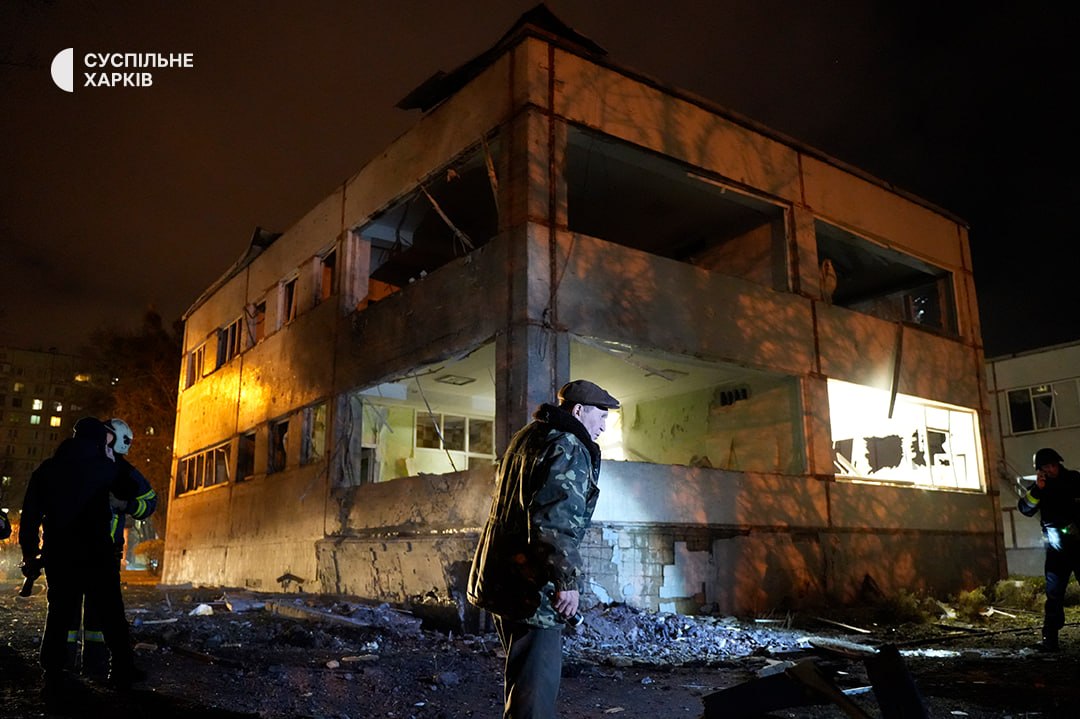
Enemy drone damages kindergarten in Kharkiv's Nemyshlianskyi district
Four people were injured in an evening drone attack in Kharkiv. The strike hit a local educational facility.
 🏛️Politics
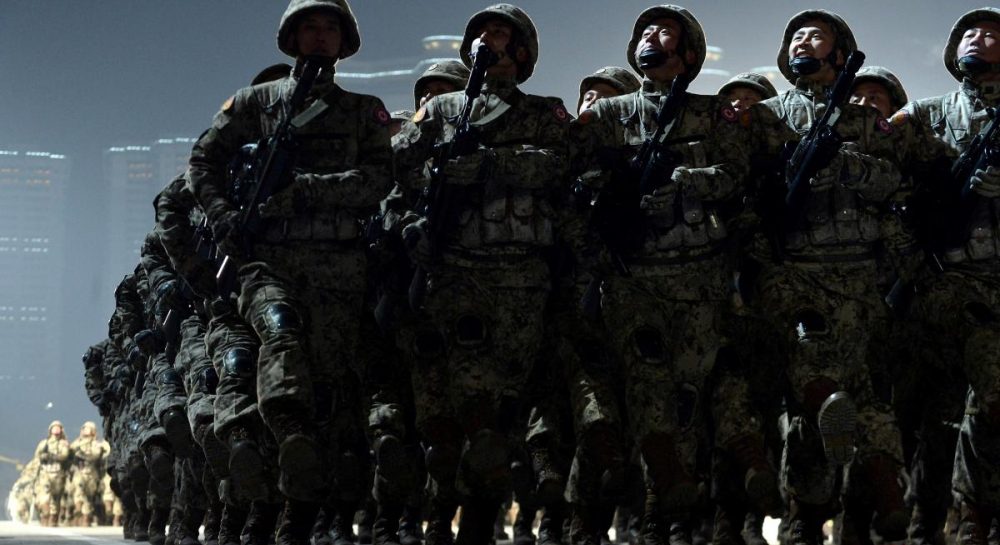
The Economist: Russia, China, Iran, and North Korea deepen coordination against the West
The Economist analyzes the growing cooperation between four authoritarian regimes, highlighting the challenges this poses to global stability.
 🏛️Politics
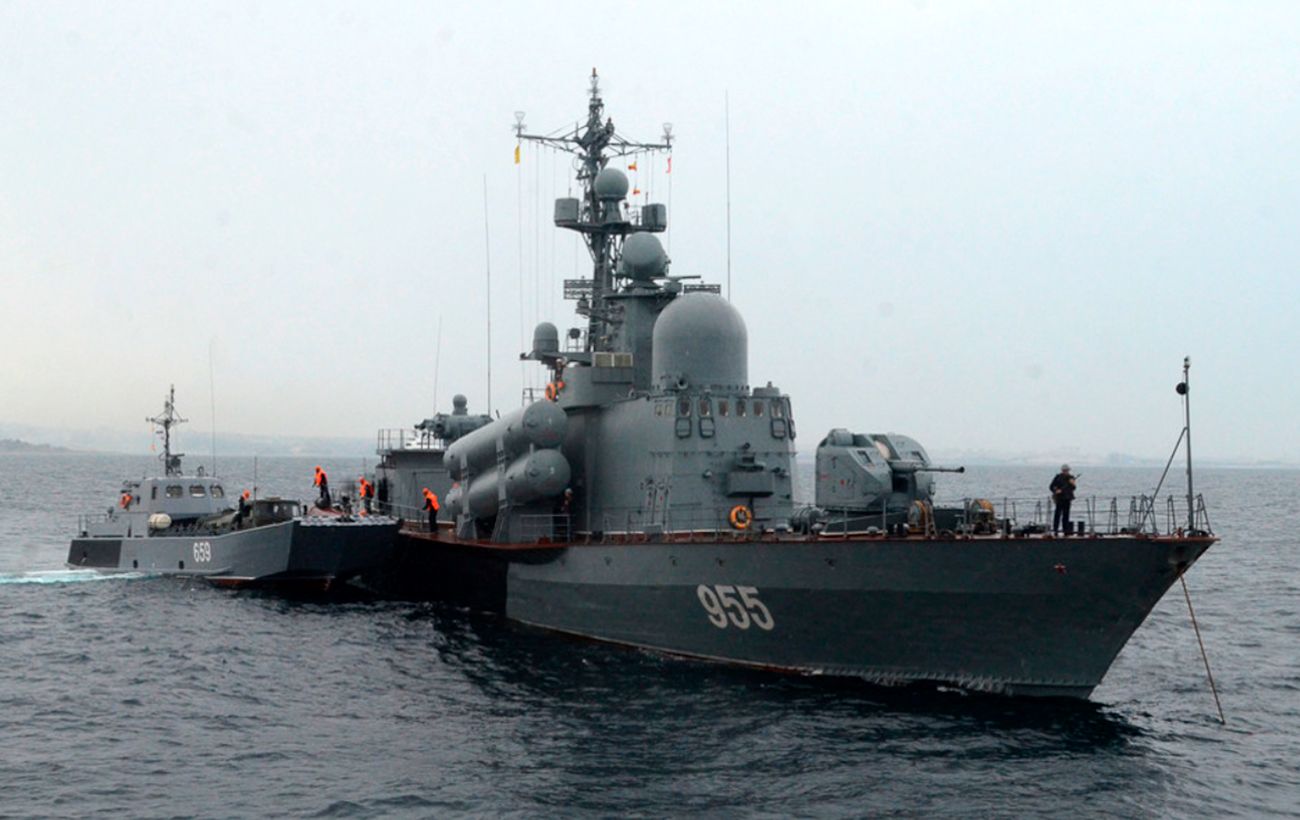
Russian corvette 'Mercury' damaged in drone attack in Libya
A Russian warship sustained significant damage following a maritime drone strike in the port of Benghazi. Reports suggest potential involvement of Ukrainian personnel.
 🏛️Politics
Trump's Peace Initiatives and Europe's Stance: What Is Known About Ukraine Negotiations
The Trump administration aims to finalize peace negotiations by January 2027, but European leaders remain opposed to any division of spheres of influence.
 🇺🇦Ukraine
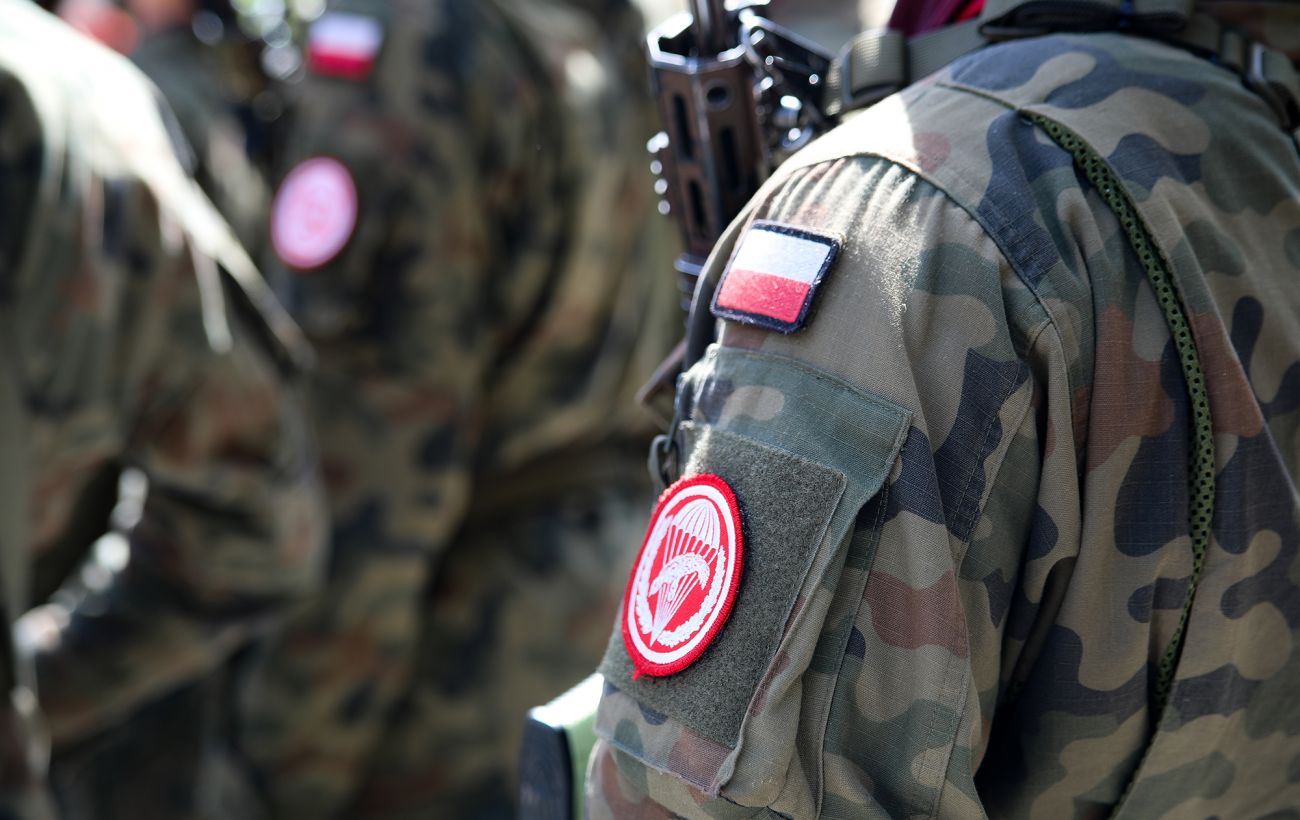
Investigation into Poland incident: three Russian Kh-101 missiles identified
Polish investigators confirmed that three Russian cruise missiles violated the country's airspace, rather than two as previously reported.
 🏛️Politics
Counter-offensive in Northern Kharkiv Region: ZSU Liberate 15 Settlements and Neutralize 'Bear's Corner'
Ukrainian forces thwarted a large-scale Russian plan to encircle ZSU troops, reclaiming approximately 200 square kilometers of territory in the north of the region.