History of the Calendar: Why New Year Falls on January 1 and How Traditions Evolved
An overview of the historical origins of celebrating New Year on January 1, calendar reforms in Ancient Rome and Europe, and unique traditions from around the world.
 🏙️City
Photo: TSN
Key points
- The January 1 New Year tradition originates from Ancient Rome and Julius Caesar's reforms.
- The Gregorian calendar of 1582 standardized the start of the year for most of the world.
- Diverse cultures continue to celebrate alternative new year dates based on lunar or agricultural calendars.
The modern calendar year consistently begins on January 1 under the Gregorian system, but humanity did not always follow this specific date. Over the centuries, various civilizations tied the beginning of a new cycle to seasonal patterns, agricultural milestones, or religious events. In ancient times, people across different regions marked the start of the year in spring, autumn, or during significant natural occurrences such as river floods and equinoxes.
The Evolution of the Calendar: From Ancient Rome to Pope Gregory
The tradition of welcoming the new year in mid-winter originates in Ancient Rome. Initially, the Roman year began in the spring months, but the calendar structure was later modified to include January, dedicated to Janus, the god of beginnings and transitions. Julius Caesar ultimately cemented January 1 as the start of the year in 46 BC through his sweeping calendar reform. Despite this, the European Middle Ages saw a variety of local practices, with the new year frequently starting on Christmas or the Feast of the Annunciation.
The modern global standard took shape following the introduction of the Gregorian calendar in 1582 by Pope Gregory XIII. This system accounted more accurately for the solar year's duration, gradually establishing January as the universal beginning of the year across most nations. At the same time, cultural diversity remains evident today, as communities worldwide continue celebrating alternative new year dates, such as the Chinese New Year or the Islamic lunar calendar.
Unique Global Customs for Welcoming the Holiday
Each culture has developed distinct customs for New Year's Eve aimed at securing prosperity and good fortune. In Spain, people traditionally eat twelve grapes with the midnight chimes, with each grape symbolizing a month of the upcoming year. In Italy, lentils frequently appear on the holiday table because their shape resembles small coins, associating the dish with wealth and abundance.
In Japan, Buddhist temples ring their bells 108 times at midnight, a ritual meant to purge human passions and distractions to enter the new year in harmony. Meanwhile, Scotland preserves the tradition of first-footing, where the first guest to cross the threshold after midnight is believed to determine the household's luck for the entire coming year.
Source TSN — tsn.ua/tsikavinki/koly-sviatkuiut-novyy-rik-chomu-data-prypadaye-na-1-s… ↗
Read next
 ⚽Sport
Kharkiv judoka Khazar Heydarov shares his journey to historic Youth Olympic gold
17-year-old Kharkiv athlete Khazar Heydarov won Ukraine's first-ever Youth Olympic gold medal in judo at the 2026 Games in Dakar, sharing insights on training amidst fron…
 🏛️Politics
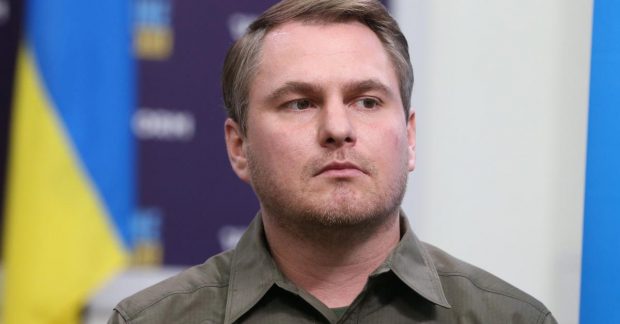
SAP Leadership Scandal: Critics Highlight Double Standards Over SBI Involvement
The publication of audio recordings regarding alleged corruption involving the SAP head's circle has sparked a debate over institutional double standards.
 ⚽Sport
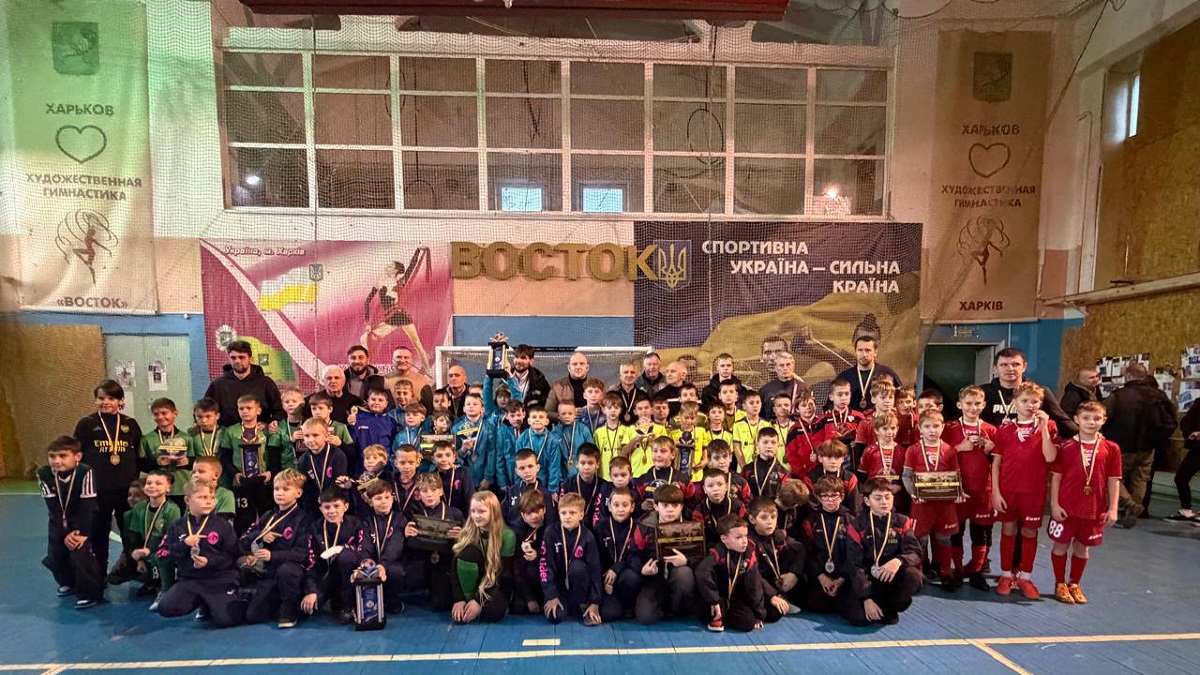
Kharkiv Names Champions of Open Junior Mini-Football Tournament
In late November, Kharkiv hosted the Open City Mini-Football Championship, bringing together young athletes from the regional center and surrounding areas.
 🧠AI Analysis
Cascade Effect of the Metallurgical Crisis: How GMK Problems Impact Local Budgets and the Economy
A deep crisis in Ukraine's metallurgy sector triggers a chain reaction, leading to reduced tax revenues, job losses, and financial strain in industrial municipalities.
 🛡️Security
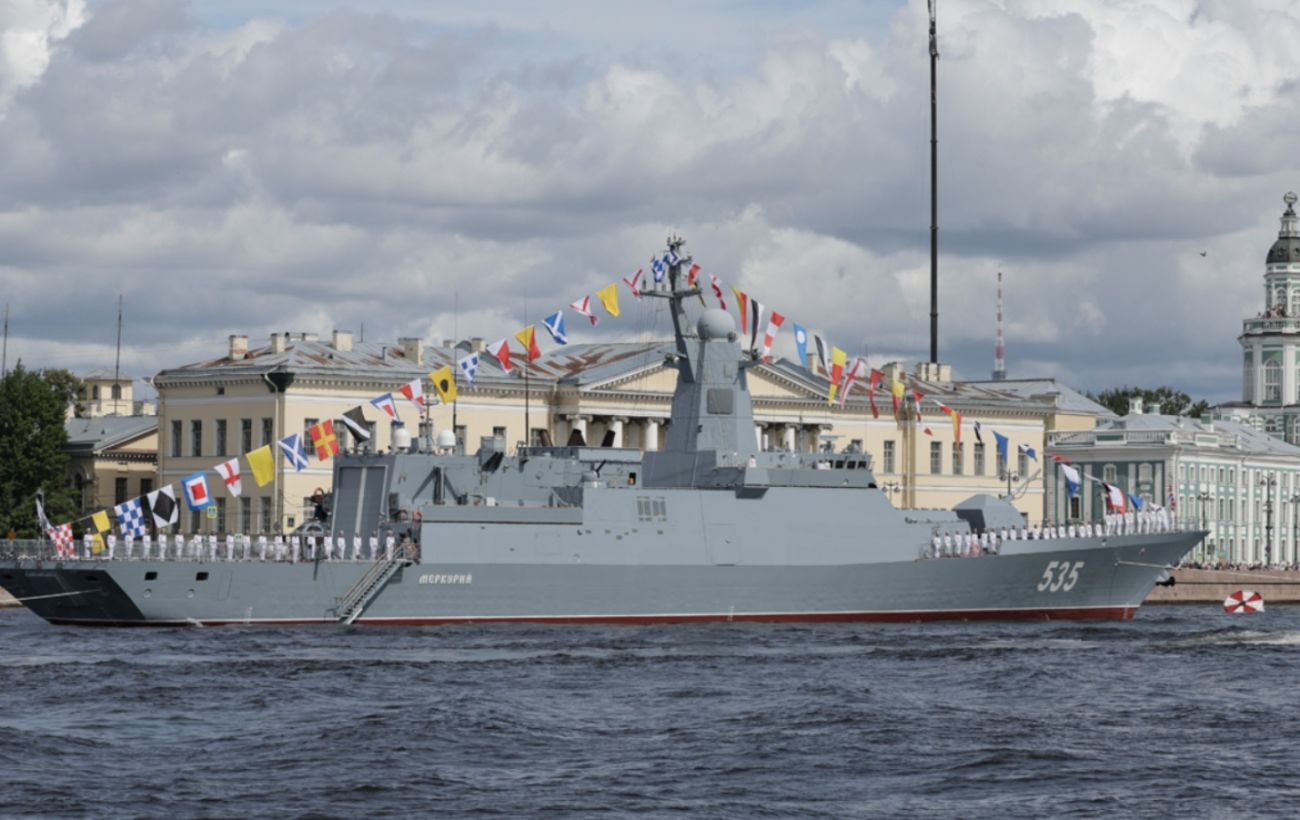
Defense Forces Destroy Russian Missile Corvette 'Merkuriy' Near Libya
Ukrainian forces, in cooperation with the SBU, conducted an operation in the Mediterranean Sea, sinking the Russian warship 'Merkuriy'.
🏛️PoliticsSAP Leadership Scandal: Former Prosecutor General Accuses Head's Wife of Evading Corruption Charges
Former Prosecutor General Ruslan Kravchenko claims the wife of SAP head Oleksandr Klymenko is using the State Bureau of Investigation to bypass bribery allegations by cit…