Eight kilometers that changed history: how archaeology helped astronomers
Japanese scientists have refined the coordinates of the ancient capital of the Lu state, confirming the description of a solar eclipse from 2,700 years ago.
 🎓Education
Photo: UNIAN
Key points
- Refined coordinates of the ancient Lu capital
- Confirmed solar corona description in 709 BC chronicles
- Eclipse data helps model Earth's rotation
Researchers from Nagoya University have made a breakthrough in studying ancient astronomical chronicles. While analyzing records of a total solar eclipse that occurred on July 17, 709 BC, scientists encountered a discrepancy: the calculated path of the lunar shadow did not pass through the ancient city of Qufu.
The decisive 8 kilometers
The key to the mystery was the precise localization of the capital of the Lu state. It turned out that the historical city was located eight kilometers away from the site previously considered the observation point. This small distance proved to be decisive for astronomical calculations.
According to ancient Chinese chronicles, a shimmering yellowish light was observed around the Sun during the eclipse. Scientists suggest this is a description of the solar corona. If the observation had been made from the previously indicated point, the bright solar crescent would have prevented the phenomenon from being seen.
This discovery not only confirms the authenticity of ancient records but also helps to better understand the dynamics of the Earth's rotation. Using such historical data helps scientists refine mathematical models of the planet's slowing rotation, which is critical for modern astrophysics and chronology.
Source UNIAN — unian.ua/science/lishe-8-kilometriv-viddilyali-vchenih-vid-rozgadki… ↗
Read next
 👥Society
How Much Water to Drink Daily for Healthy Blood Pressure: Cardiologists Explain
Leading cardiologists share the recommended daily water intake for men and women, explaining how both dehydration and overhydration affect blood pressure.
 👥Society
Construction of Underground Cancer Center in Kharkiv Slows Down Due to Funding Issues
The construction of a protected underground oncology department in Kharkiv is facing financial hurdles, which may impact project timelines.
 👥Society
Health benefits of chicory: Why you should add it to your diet
Experts highlight chicory as a valuable source of inulin, which supports gut health, digestion, and liver function.
 🚨Events
Protection against car thieves: why Kharkiv drivers are advised to use foil
Owners of cars with keyless entry systems are at risk of relay attacks. A simple way to secure your vehicle is to block the key signal using aluminum foil.
 👥Society
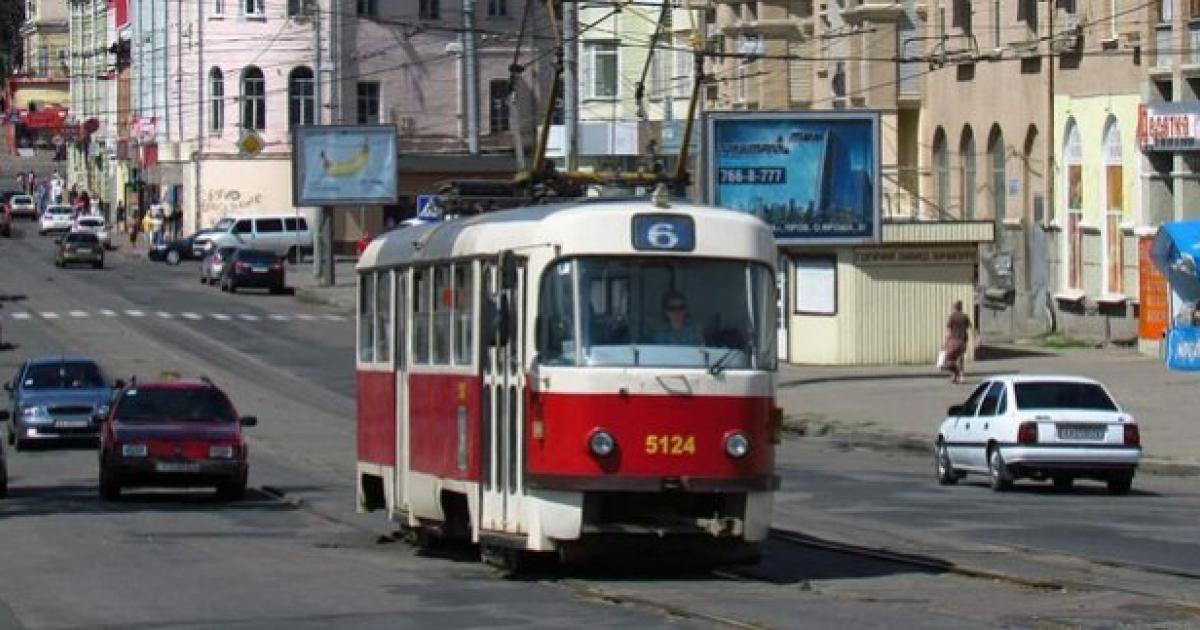
Tram Routes to Change Temporarily on Akademika Pavlova Street in Kharkiv
On November 23, tram traffic along Akademika Pavlova Street in Kharkiv will be restricted during daytime hours due to scheduled energy works. Routes No. 30, No. 6, and No…
 🚨Events
Doping Controversy in National Team: Team Doctor Responds to Mykhailo Mudryk's Allegations
The medical staff of the Ukraine national team has denied claims by Mykhailo Mudryk, a Kharkiv region native, regarding the potential ingestion of prohibited substances d…